
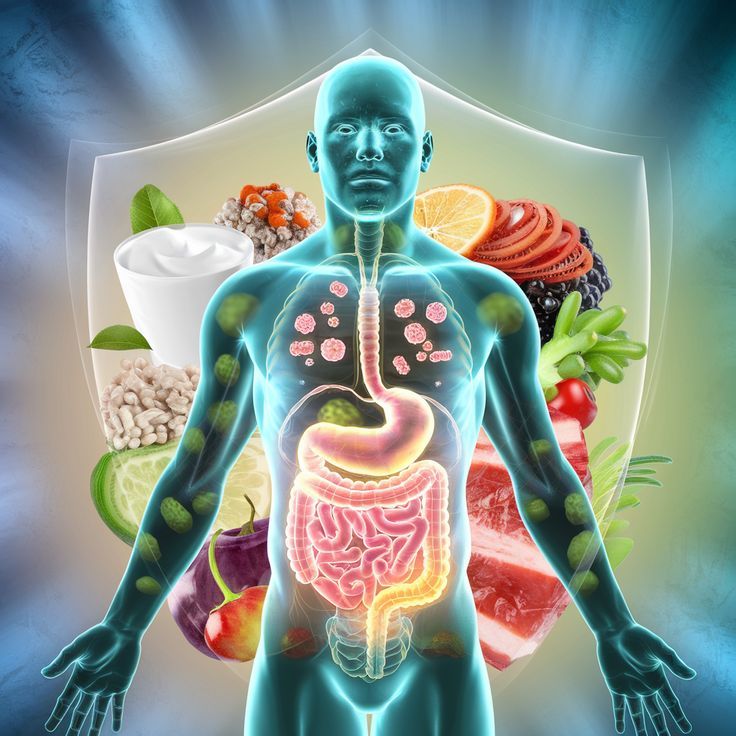
Understanding Your Digestive System
Your digestive system is far more than a food processing plant. This complex, intricate network of organs and microorganisms influences immune function, mental health, nutrient absorption, and disease risk. Maintaining digestive health is fundamental to overall wellness, affecting everything from energy levels to mood, skin health to cognitive function.
The Digestive Process Explained
Digestion begins before food enters your mouth—simply seeing or smelling food triggers saliva production. Chewing mechanically breaks down food while saliva begins chemical digestion. The esophagus transports food to the stomach, where powerful acids and enzymes continue breakdown.
The small intestine, where most nutrient absorption occurs, measures approximately 20 feet long. Its lining contains millions of tiny projections called villi that maximize nutrient absorption. The pancreas and liver contribute digestive enzymes and bile, respectively.
The large intestine absorbs water and minerals while gut bacteria ferment remaining material, producing beneficial short-chain fatty acids. Finally, waste elimination occurs through the rectum and anus. This entire process typically takes 24-72 hours.
The Gut Microbiome: Your Inner Ecosystem
Trillions of microorganisms inhabiting your digestive tract collectively form the gut microbiome. These bacteria, fungi, viruses, and other microbes outnumber human cells in your body. Rather than mere passengers, they actively influence health in remarkable ways.
The Microbiome\’s Roles
Gut bacteria help digest foods your body cannot break down independently, particularly fiber. They produce vitamins including vitamin K and some B vitamins. They train and regulate immune system function, with approximately 70% of immune cells residing in gut-associated tissues.
The gut microbiome influences mental health through the gut-brain axis—a bidirectional communication system between gut and brain. Gut bacteria produce neurotransmitters including serotonin, dopamine, and GABA. Disrupted microbiomes associate with depression, anxiety, and other mental health conditions.
Nurturing Your Microbiome
Dietary choices profoundly impact microbiome composition. Diverse, fiber-rich diets support beneficial bacteria populations. Prebiotic foods—onions, garlic, leeks, asparagus, bananas, and whole grains—feed beneficial bacteria. Probiotic foods contain live beneficial bacteria. Fermented foods like yogurt, kefir, sauerkraut, kimchi, and kombucha introduce beneficial strains.
Antibiotics, while sometimes necessary, disrupt microbiome balance by killing beneficial bacteria along with harmful ones. Use antibiotics only when medically necessary, and consider probiotic supplementation during and after antibiotic courses.
Common Digestive Disorders
Digestive problems affect millions worldwide, ranging from occasional discomfort to chronic, debilitating conditions. Understanding common issues helps recognize when professional evaluation is needed.
Acid Reflux and GERD
Gastroesophageal reflux disease (GERD) occurs when stomach acid frequently flows backward into the esophagus, causing heartburn and potential esophageal damage. Contributing factors include obesity, smoking, certain foods and medications, and hiatal hernias.
Management includes avoiding trigger foods (citrus, tomatoes, chocolate, coffee, alcohol, spicy or fatty foods), eating smaller meals, not lying down immediately after eating, elevating the head of your bed, and maintaining healthy weight. Persistent symptoms require medical evaluation.
Irritable Bowel Syndrome
IBS affects the large intestine, causing abdominal pain, bloating, gas, diarrhea, and constipation. While the exact cause remains unclear, stress, certain foods, hormonal changes, and gut microbiome imbalances contribute.
Management involves identifying and avoiding trigger foods, managing stress, increasing fiber gradually, staying hydrated, and regular exercise. The low-FODMAP diet helps many IBS sufferers by temporarily eliminating fermentable carbohydrates, then systematically reintroducing them to identify personal triggers.
Inflammatory Bowel Disease
IBD, including Crohn\’s disease and ulcerative colitis, involves chronic inflammation of the digestive tract. Unlike IBS, IBD causes visible inflammation and tissue damage. Symptoms include severe diarrhea, abdominal pain, fatigue, weight loss, and blood in stool.
IBD requires medical management, often including medication and sometimes surgery. Dietary modifications, stress management, and adequate nutrition support treatment plans developed with healthcare providers.
Fiber: The Digestive Superstar
Dietary fiber, found exclusively in plant foods, is essential for digestive health. Soluble fiber dissolves in water, forming gel-like substances that slow digestion, help regulate blood sugar, and lower cholesterol. Sources include oats, beans, apples, and psyllium.
Insoluble fiber doesn\’t dissolve, adding bulk to stool and promoting regularity. Whole grains, nuts, vegetables, and wheat bran provide insoluble fiber. Most plant foods contain both types.
Most Americans consume only half the recommended 25-35 grams of fiber daily. Increase fiber gradually to prevent gas and bloating, and drink plenty of water as fiber requires fluid to work effectively.
Hydration and Digestive Function
Water is essential for digestion. It helps dissolve nutrients for absorption, softens stool preventing constipation, and supports the production of saliva and gastric secretions. Inadequate hydration contributes to constipation and other digestive problems.
Aim for at least eight 8-ounce glasses daily, adjusting for activity level, climate, and individual needs. Herbal teas count toward hydration goals. Limit excessive caffeine and alcohol, which can irritate the digestive tract and cause dehydration.
The Mind-Gut Connection
Stress significantly affects digestive function. The brain and gut communicate constantly through neural, hormonal, and immunological pathways. Stress can alter gut motility, increase intestinal permeability, affect gut microbiome composition, and heighten pain perception.
Managing stress through meditation, deep breathing, yoga, adequate sleep, and counseling supports digestive health. Mind-body techniques like gut-directed hypnotherapy effectively treat IBS and other functional digestive disorders.
Foods That Support Digestive Health
Beyond fiber and probiotics, certain foods particularly benefit digestion. Ginger reduces nausea and supports gastric motility. Peppermint relaxes digestive tract muscles, potentially easing IBS symptoms. Papaya and pineapple contain enzymes aiding protein digestion.
Bone broth provides gelatin and amino acids supporting intestinal lining integrity. Fatty fish offer omega-3 fatty acids with anti-inflammatory properties. Leafy greens provide magnesium, which supports muscle contractions throughout the digestive tract.
Foods to Limit or Avoid
Certain foods commonly trigger digestive discomfort. Highly processed foods often lack fiber and contain additives irritating to sensitive systems. Excessive sugar promotes harmful bacteria overgrowth and inflammation.
Artificial sweeteners alter gut microbiome composition and may worsen digestive symptoms in susceptible individuals. Excessive alcohol irritates the stomach lining and disrupts beneficial gut bacteria. Fried and high-fat foods slow digestion and may trigger symptoms in people with gallbladder issues or IBS.
Eating Habits for Better Digestion
How you eat impacts digestion as much as what you eat. Eating slowly and chewing thoroughly eases your digestive system\’s work. Aim for at least 20-30 chews per bite, which may seem excessive but significantly aids digestion.
Avoid eating when stressed or upset—stress diverts blood away from the digestive system and may trigger symptoms. Don\’t eat too close to bedtime; allow 2-3 hours between dinner and lying down. Eating large meals strains the digestive system—smaller, frequent meals may work better for some people.
When to Seek Medical Help
While occasional digestive discomfort is normal, certain symptoms warrant medical evaluation. Persistent abdominal pain, unexplained weight loss, blood in stool, persistent vomiting, difficulty swallowing, or significant changes in bowel habits require professional assessment.
Don\’t dismiss symptoms as merely stress or normal aging. Many digestive conditions, including colon cancer, are highly treatable when detected early. Regular colorectal cancer screening beginning at age 45 (or earlier with family history) saves lives.
Supporting Your Digestive Health
Your digestive system works tirelessly to nourish your body and protect your health. Support it through fiber-rich diets, adequate hydration, stress management, mindful eating practices, and listening to your body\’s signals. When digestive issues arise, don\’t suffer silently—seek appropriate help. A healthy gut supports a healthy life.