
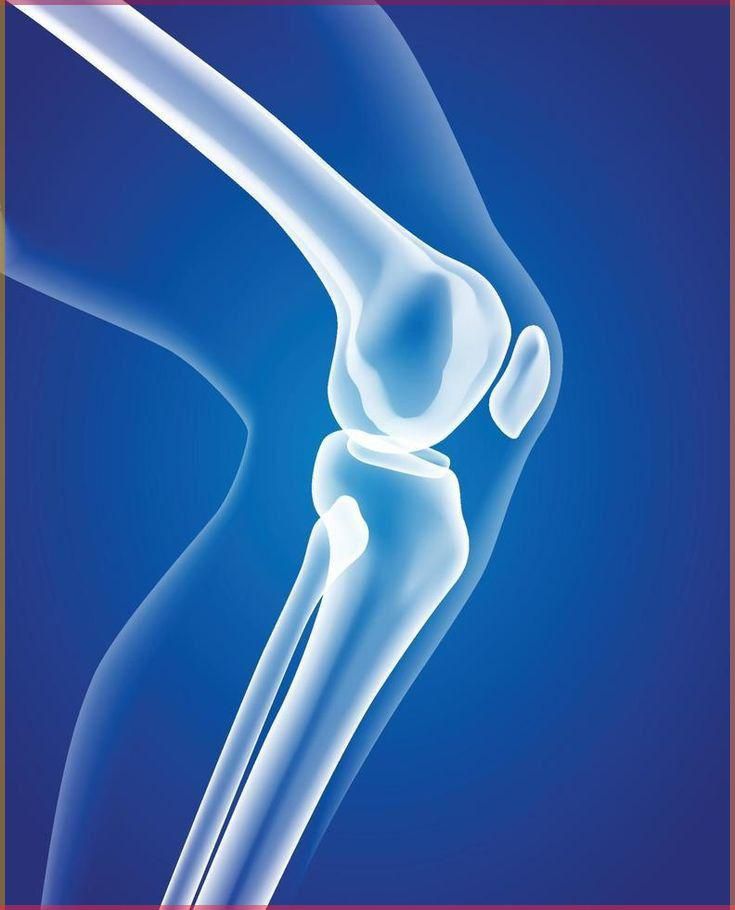
Understanding Your Skeletal Foundation
Bones are living tissues constantly rebuilding themselves through a process where old bone breaks down and new bone forms. This remodeling maintains strength and mineral balance throughout your life. Peak bone mass, typically reached in your twenties or early thirties, largely determines your bone health for decades to come.
Strong bones provide structural support, protect vital organs, anchor muscles, and store essential minerals like calcium and phosphorus. Weak bones dramatically increase fracture risk, potentially impacting independence, quality of life, and even survival—especially concerning hip fractures in older adults.
The Silent Threat of Osteoporosis
Osteoporosis occurs when bone density decreases, creating porous, brittle bones prone to fractures. This \”silent disease\” progresses without symptoms until a fracture suddenly occurs. Over 10 million Americans have osteoporosis, with millions more having low bone density (osteopenia).
Women face higher risk, particularly after menopause when declining estrogen accelerates bone loss. However, men also develop osteoporosis. Risk factors include age, family history, small body frame, certain medications, and various health conditions.
Essential Nutrients for Bone Strength
Calcium is fundamental for bone health, with 99% of your body\’s calcium stored in bones and teeth. Adults need 1,000-1,200 mg daily. Excellent sources include dairy products, leafy greens like kale and collards, fortified plant milks, canned fish with bones, almonds, and calcium-set tofu.
Vitamin D enables calcium absorption and bone mineralization. Your skin produces it from sunlight, but many people require supplementation, especially in northern climates. Food sources include fatty fish, egg yolks, and fortified products. Adults generally need 600-800 IU daily.
Other critical nutrients include vitamin K from leafy greens, magnesium from nuts and seeds, phosphorus from protein foods, and vitamin C from fruits and vegetables. Each plays specific roles in building and maintaining strong bones.
Exercise: Your Bones\’ Best Friend
Physical activity is crucial for bone density. Bones respond to mechanical stress by becoming stronger—weight-bearing exercises like walking, jogging, dancing, and stair climbing force you to work against gravity, strengthening bones in your spine, hips, and legs.
Resistance training using weights, bands, or bodyweight stimulates bone formation throughout your skeleton. Aim for strength training at least twice weekly. High-impact activities like jumping provide powerful bone-building benefits, though people with osteoporosis should avoid these due to fracture risk.
Balance exercises become increasingly important with age, reducing fall and fracture risk through improved stability and coordination.
Lifestyle Choices That Matter
Smoking accelerates bone loss and impairs formation—quitting benefits bones at any age. Excessive alcohol interferes with calcium absorption and increases fall risk. Limit intake to moderate amounts: one drink daily for women, two for men.
Maintaining healthy weight supports bone health. Being underweight increases osteoporosis risk, while extreme weight loss and restrictive diets harm bones. Conversely, obesity may increase fracture risk despite higher bone density.
Screening and Treatment
Bone density scans (DEXA) measure mineral density, diagnosing osteoporosis and osteopenia. Women should begin screening at age 65, earlier with risk factors. Results compare your density to healthy young adults (T-score). Scores of -2.5 or lower indicate osteoporosis.
Treatment includes medications like bisphosphonates combined with adequate calcium and vitamin D, regular exercise, and fall prevention strategies. Never discontinue prescribed medications without consulting your doctor.
Prevention Starts Now
Childhood and adolescence are critical for building peak bone mass, but it\’s never too late to protect bone health. Through proper nutrition, regular exercise, healthy lifestyle choices, and appropriate medical care, you can slow age-related bone loss and reduce fracture risk. Your bones support you throughout life—invest in keeping them strong.